

Interview: Lisa Rovner on making Sisters with Transistors
Almost six years on from its premiere, French-American director Lisa Rovner's documentary on the women who shaped early electronic music arrives at The Underground Cinema at 180 Studios. Rovner speaks to VF about machines, listening, and the institutions that made the work possible.
The first time director Lisa Rovner watched her directorial debut Sisters with Transistors on a screen with an audience was at Cinema Godard at Fondazione Prada in Milan, years after the film was finished.
A premiere had been stolen from her by Covid, and every time a festival screening was confirmed in the months that followed, another lockdown would take it away again. “There was a lot of heartbreak,” Rovner explains.
When the chance arrived to see it properly, she chose her room carefully. "People say it's one of the best cinemas in the world acoustically, and after so much waiting, I thought: if I'm going to watch it screened, let it be here,” she says.
At the end, when Space Lady's music came up over the credits, Rovner wept. "All of it came back," she says. "How hard it was to make. The years of fighting for it. The funders who said the subject was too niche. The people who believed in it anyway. Mary Burke from the BFI and my producer Anna Lena Vaney, above all.”
Sisters with Transistors, Rovner's beautiful documentary on the women who shaped early electronic music, carefully assembled almost entirely from archival footage, is now screening at 180 Studios as part of The Underground Cinema, almost six years on from its premiere.
In that time, it has travelled much further than she expected. Last year alone, it screened in India, Sri Lanka, five cities in Algeria, and across Latin America. "The thought of audiences in places I have never been, rooms I will never see, sitting in the dark together with these women and their machines makes all the early heartbreak melt away," she says.
Rovner came to filmmaking from a political science background, and it shows in how she talks about the project. "All my work in some way confronts dominant narratives with counter-narratives," she says.
The initial spark for the project stemmed from a discovery that turned into an obsession after she encountered a timeline of female pioneers in electronic music. Before this, like many before her, she thought of men when she considered the early days of the genre.
“I was genuinely intrigued. I wanted to know these women. I wanted to be these women. I knew very little about them but quickly became obsessed."
For fans of electronic music and music history, Sisters with Transistors is a cult classic that heaves with its own necessity, watching the film immediately instils the viewer with questions of how these stories went untold for so long. However, despite the urgency of its subject, Sisters with Transistors took years to make, with Rovner having to overcome a struggle for funding.
She speaks directly about the challenges involved in its creation. “Making documentaries is a lot like being a private detective. Cold calls, long silences, the occasional breakthrough that opens everything up. None of it is glamorous,” she explains. “The fact that we struggled with funding meant the research kept extending, kept deepening. At the time, it felt like a curse. Now I see living with those women, their stories, their sound for all those years as a blessing”.
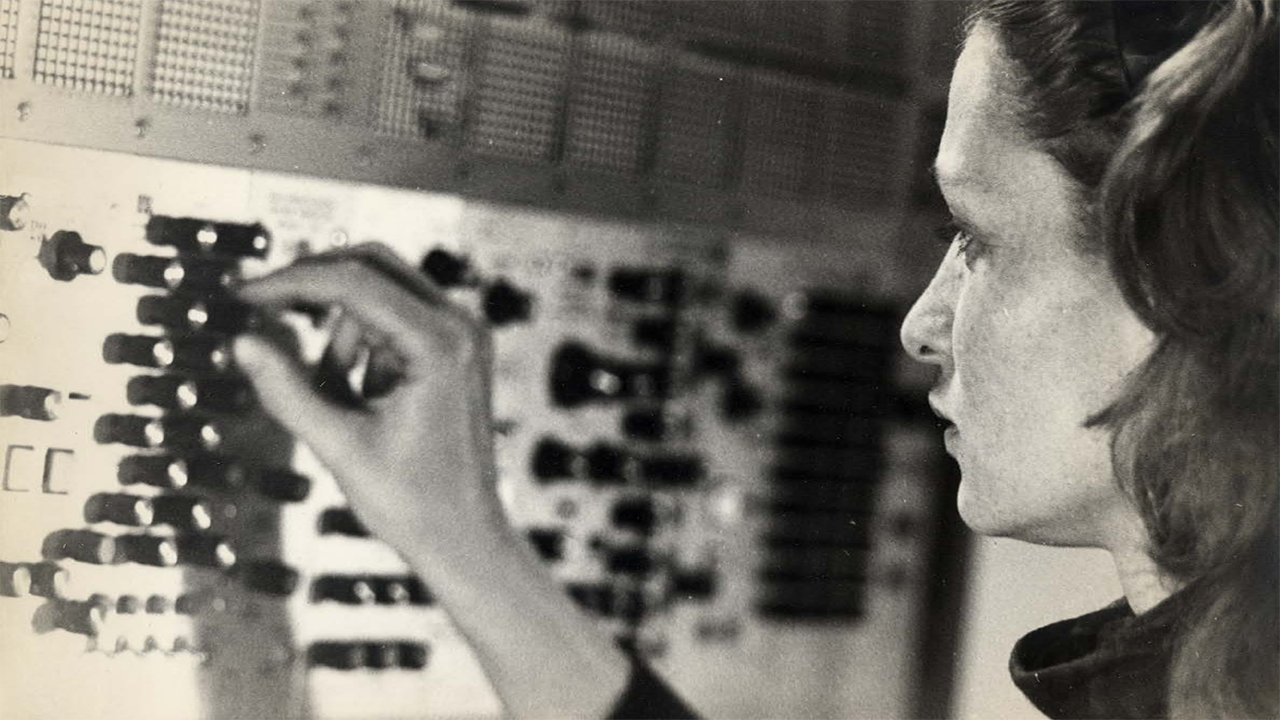
Rovner took inspiration from her subjects when shaping the documentary, eschewing contemporary talking heads and biographical arcs for a chapter-like glimpse into the practice of each composer. "These weren't conventional women. Their music wasn't conventional,” she says. “From the beginning, I knew the form had to follow. So we broke with documentary tropes, broke with chronology, with the myth of the sole male genius."
She describes the result as an illustrated oral history that moves."I didn't want a film that observed the work from a critical distance. I wanted one that went inside it. That moved the way the music moves." The abundance of archival footage made it possible. "When the material is that rich, that alive, you learn to trust it. It becomes the guide."
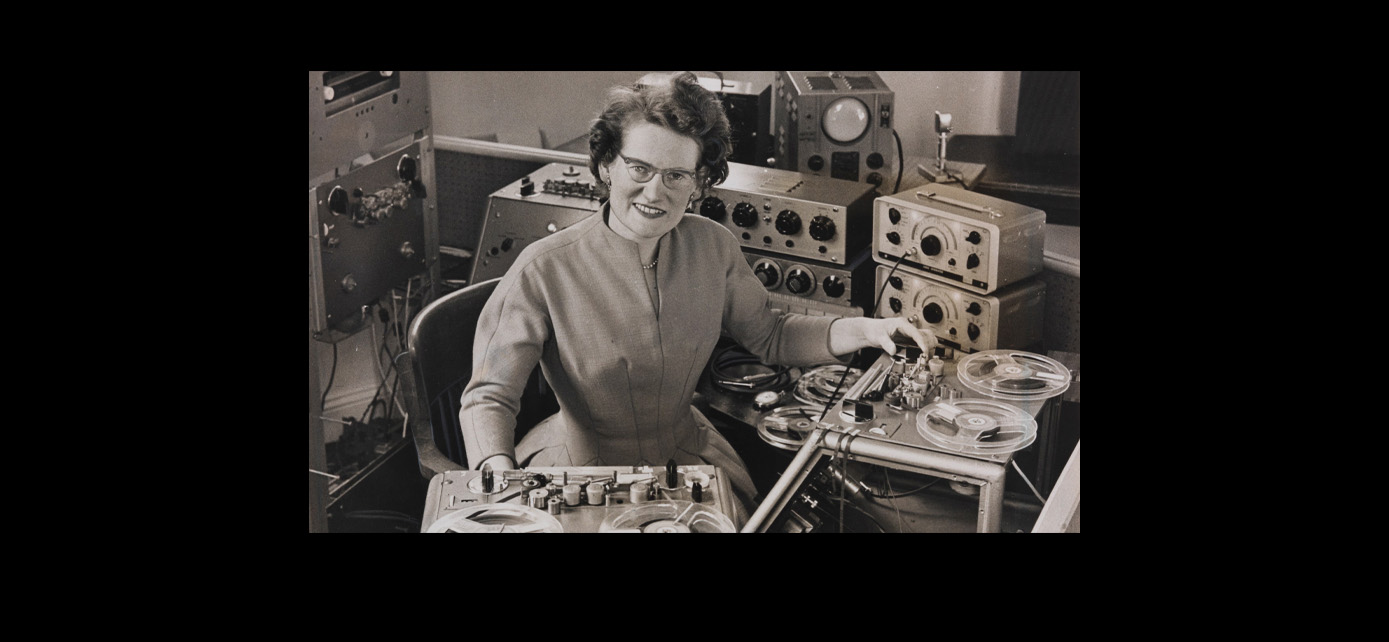
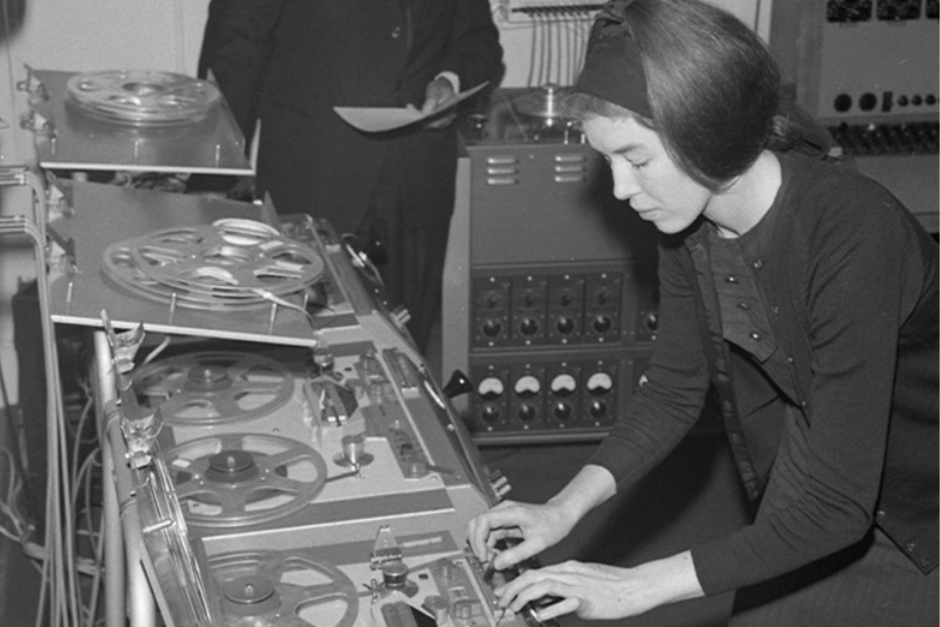
Alongside the footage and sounds of composers including Daphne Oram, Delia Derbyshire, Éliane Radigue, Pauline Oliveros, Suzanne Ciani and Laurie Spiegel, the film is narrated by avant-garde legend Laurie Anderson. Anderson's authoritative yet intimate voice is one of the film's defining choices.
Rovner had originally approached Anderson for an interview. "There was a moment early in the research where I genuinely considered including her as a subject. She, too, is a pioneer of electronic music. She belongs in this lineage." She came to feel Anderson wasn't unsung in the same way as the others, that her place in the canon was already secured. Towards the end of the edit, Rovner asked her to narrate instead.
At first, Anderson said no. "I was devastated," Rovner says. Then, almost as quickly as she had refused, Anderson came back and sent through a few recorded takes that same night.
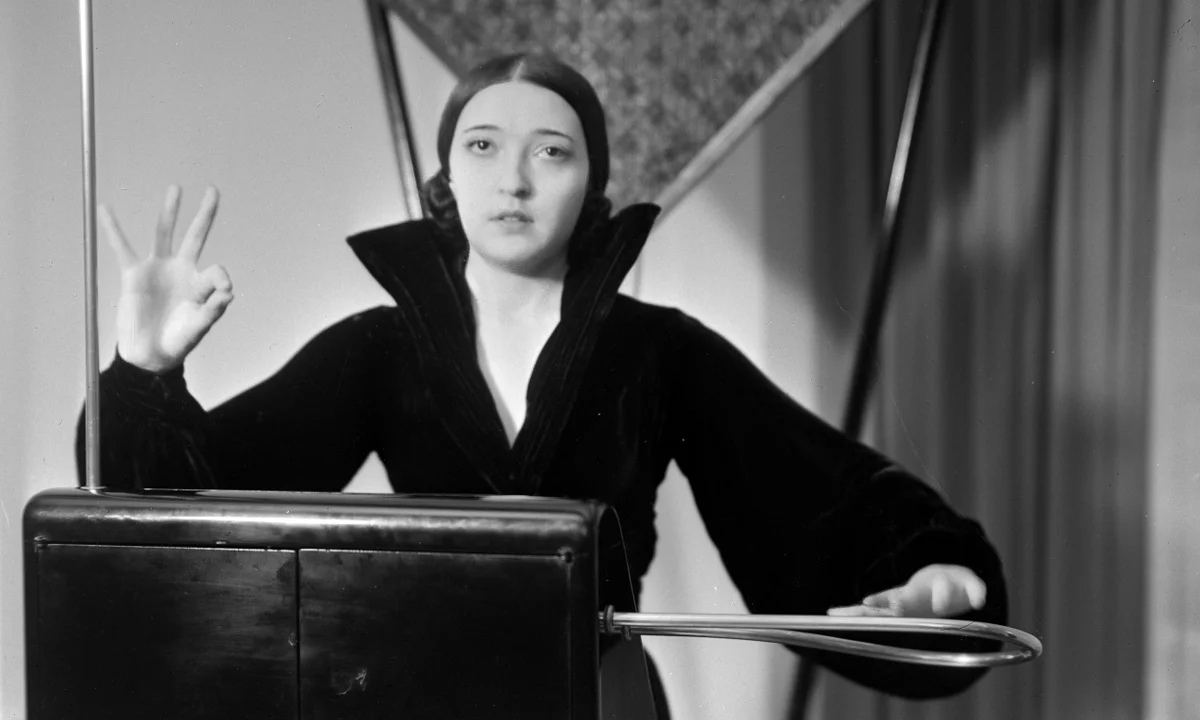
There's a striking techno-optimism running through Sisters with Transistors. The composers in the film are shown finding something liberatory in the machines they worked with. Six years on, in a moment defined by anxiety about AI and who owns and trains the tools that increasingly shape culture, their optimism is striking and somewhat melancholic. It feels like a reminder of the possibilities that capitalism has taken away from us.
Rovner believes the optimism had more to do with structural freedom rather than the technology itself. "These machines liberated these women in the sense that they enabled them to express themselves in ways that the existing structures of music-making had made impossible," she says. "The technology was a way around the gatekeepers. But even then, anxieties about machines taking over, about what was being lost, were present. So the fear isn't new."
What's different now, she says, is the awareness, and the urgency of one specific question: who controls the tools, and in whose interests. She states plainly: "I don't share the techno-optimism of the film."
This isn't a disavowal of the composers’ beliefs; the film's optimism belonged to its subjects and to the era they initially created in. The archival footage in Sisters with Transistors holds a secondary narrative of a time before the relationship between artists and machines started to erode, before streaming services paid pittance to artists and AI-generated music padded out playlists heard primarily by stream farms.

Sisters with Transistors is also a testament to the public funding of years gone by. The studios, universities and broadcasters that gave these women the tools, time and salaries to experiment in the first place — the BBC Radiophonic Workshop, INA GRM in Paris, the university tape libraries — and then the archives that, decades later, made the footage reachable for a filmmaker like Rovner at all.
Both the music exists, and the film about the music exists, because institutions made it possible twice over. It's hard to imagine the composers having this level of funded freedom in the modern day, a point only emphasised by Rovner’s struggles to pay for the film.
"The institutional support that some of these women had came from bodies that had a public mission," Rovner says. "A sense of cultural stewardship that went beyond quarterly returns. Those instincts are under enormous pressure now."
She is direct about what the commercial pressure to succeed costs. “Experimentation requires failure. And failure requires protection from market logic."
Most of that support no longer exists in the form that the composers in her film relied on. The BBC Radiophonic Workshop closed in 1998. INA GRM survives, but organisations of its kind are few and far between. University music programmes have been cut or closed across the UK in the last few years. The replacements, where they exist, take the form of funding contingent on commercial outcomes, or residencies and commissions paid for by brands.
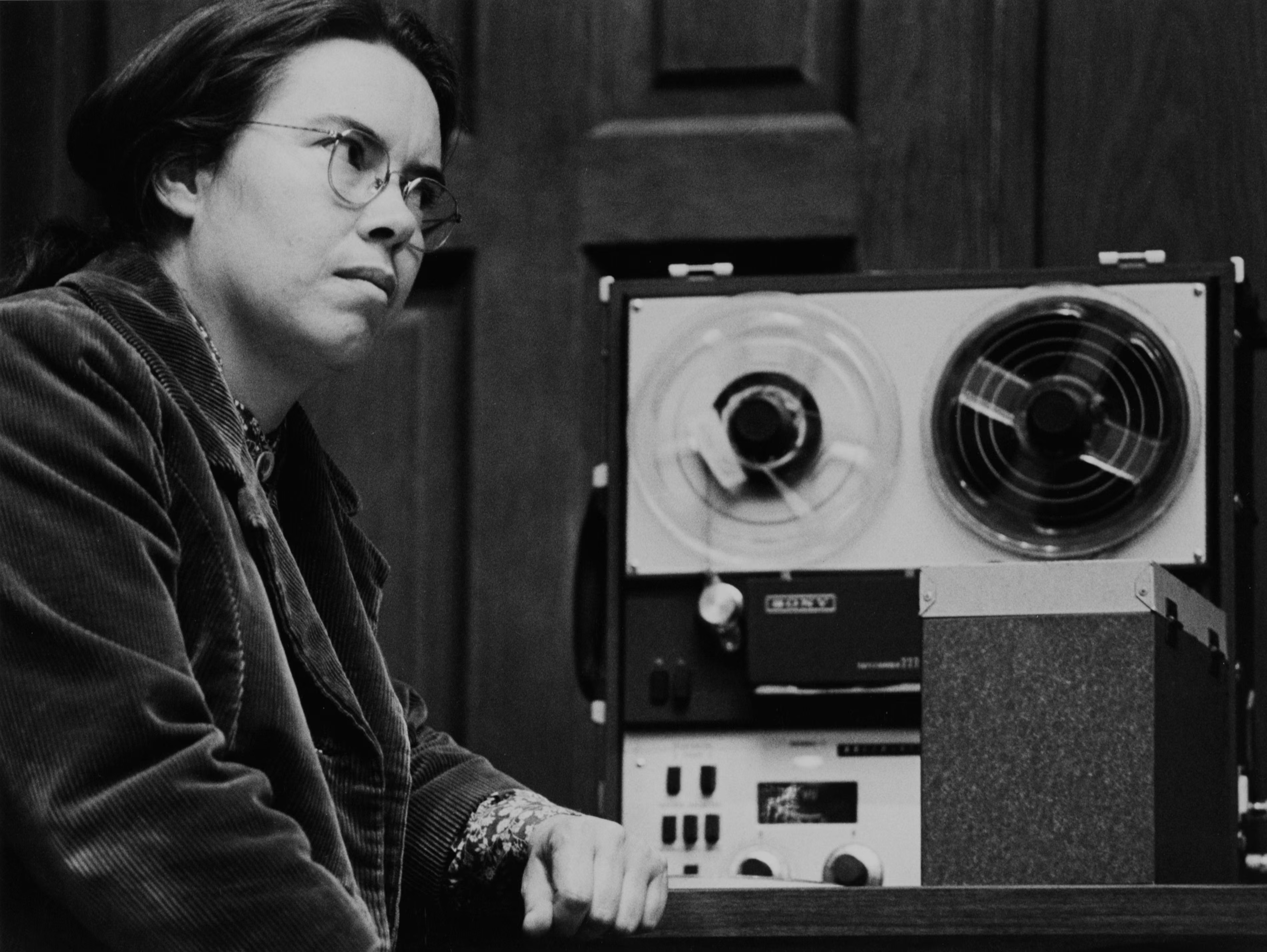
Sisters with Transistors speaks, by implication, to how many artists are trying to push culture forward in 2026 without those safety nets, or with safety nets contingent on commercial returns.
Working on Sisters with Transistors connected music to Rovner’s experience in political science. The encounter with this work, she says, shifted something in her fundamentally. "I hear differently now. I've come to understand listening as a form of political practice. Even as a form of resistance."
I ask Rovner, at the end, whether there’s a book or a record she'd recommend to someone who watches the film at The Underground Cinema and wants to go further with the subject, but she politely rejects the question.
"Pointing you toward a single book or a single record would be a betrayal of everything the film stands for," she says. "The whole ethos is: don't wait for the authority figure to tell you what matters, or where to look, or what to do.
"Go dig. Follow your ears, follow your curiosity. Pull on whatever thread the film gave you and see where it leads."
Lisa Rovner’s Sisters with Transistors screens at The Underground Cinema on May 22, 23, 24, 27, 28. Book tickets now.
More from The Vinyl Factory
Interview: Posy Dixon on filming Keyboard Fantasies
Listen: The Sound & Vision Playlist
The iconic music videos of Sound & Vision
The Underground Cinema launches music-focused film programme at 180 Studios